How to Choose the Right Dune Buggy Experience in Dubai
Understanding What You Want from a Desert Ride
Dubai's desert landscape offers a setting that is hard to match. The dunes stretch in every direction, and a dune buggy lets you cover ground that a standard car cannot reach. But not every buggy experience is the same. Some focus on speed and adrenaline. Others lean into sightseeing and a slower pace. Before you book, it helps to know what kind of outing you are after. That choice shapes everything else: the vehicle you ride, the length of the trip, and the company you go with.
The first thing to ask yourself is how much time you want to spend in the desert. A short session might last an hour and stick to the dunes closest to the city. A longer tour can take you deeper into the conservation areas, where the sand is softer and the views open up. The terrain changes as you move away from the road. Closer to the city, the dunes are smaller and more compacted. Further out, the sand gets taller and looser, which changes how the buggy handles. If you are new to off-road driving, a shorter ride on gentler dunes is a sensible start. Experienced drivers often prefer the challenge of big dunes and fast corners.
Another factor is whether you want to drive yourself or ride as a passenger. Single-seater buggies put you in full control. Two-seater buggies let you share the experience with someone else. Both have their perks. Driving yourself means you set the pace and pick your line through the sand. Riding as a passenger frees you to take in the scenery without worrying about the wheel. Some people switch between the two on a single trip. It is worth confirming with whichever business you choose what options are available. One local option is Dune Buggy Dubai | Quad Biking Dubai | Morning and Evening Desert Safari Dubai.
Checking the Vehicle and Safety Gear
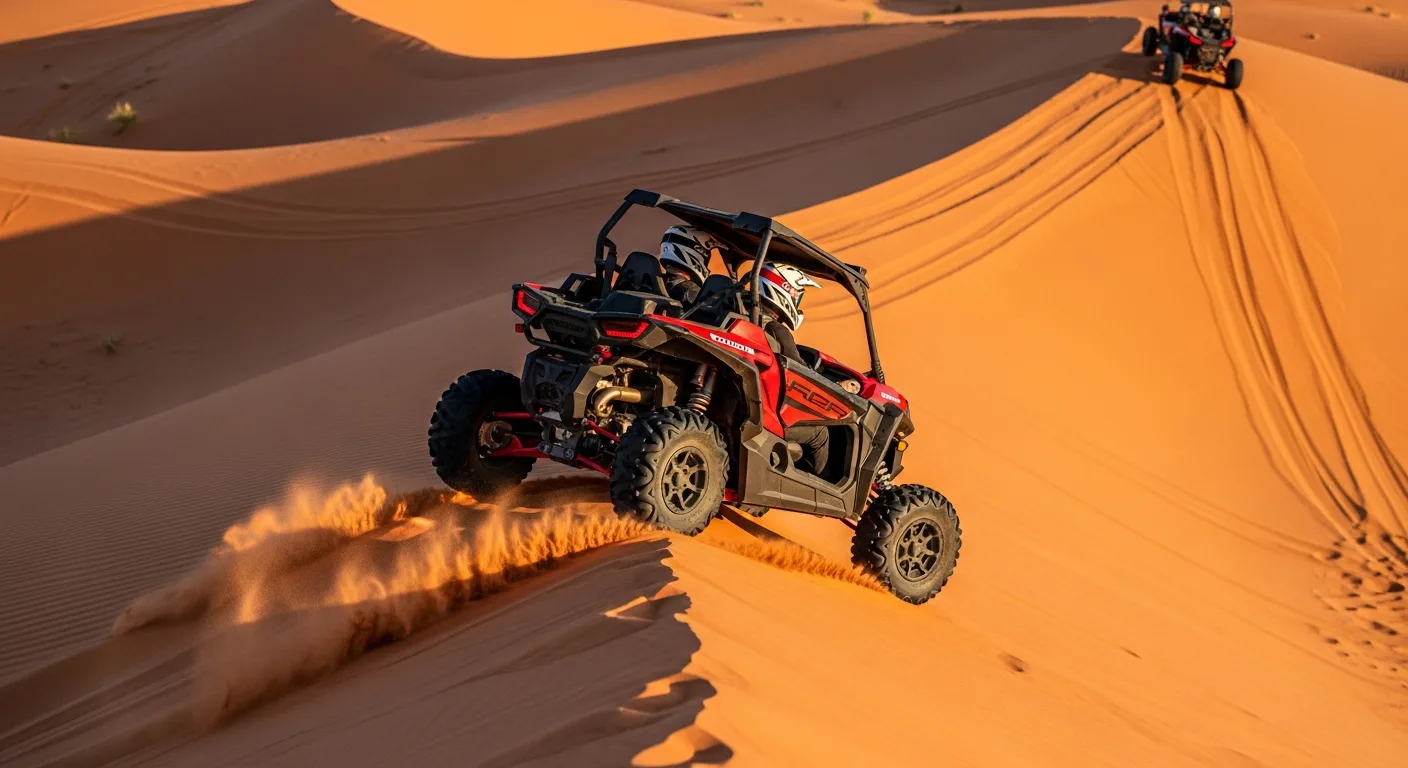
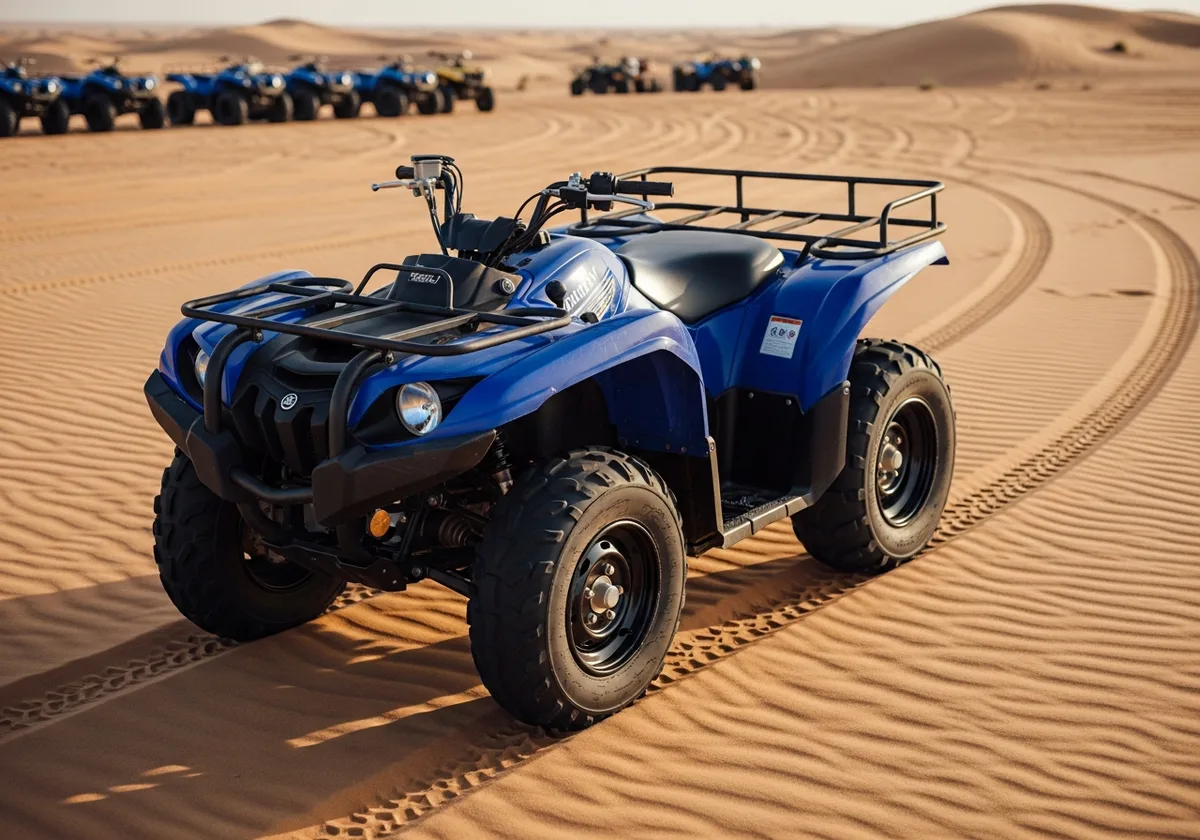
A dune buggy is only as good as its condition. The desert is tough on machinery. Sand gets into every moving part, and heat puts strain on the engine and tyres. When you arrive, take a moment to look over the buggy you will be driving. Check the tyres for wear. The tread on a desert tyre is different from a road tyre. It is designed to grip loose sand without digging in too deep. If the tread looks smooth or the sidewalls are cracked, the buggy may not handle as well on steep slopes.
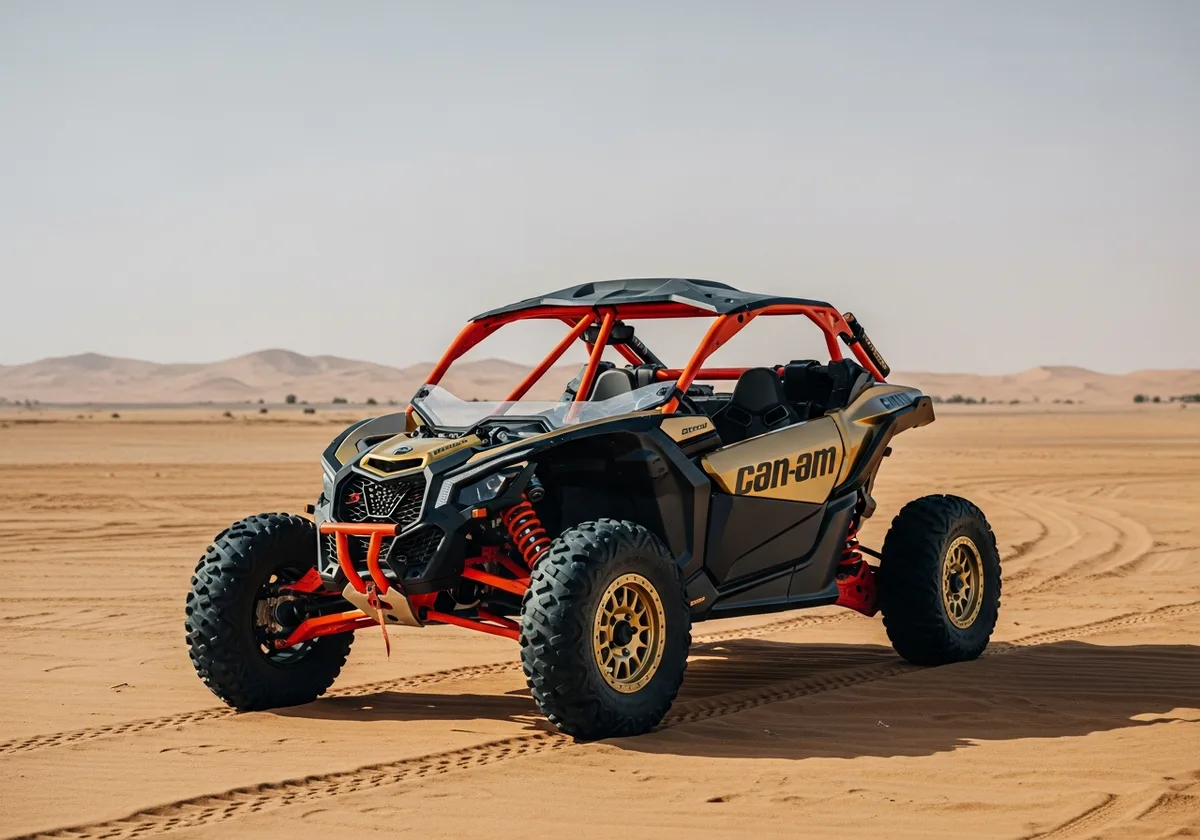
Look at the roller cage too. That metal frame protects you if the buggy tips. It should be solid, with no bends or rust spots. The seat belt or safety harness should pull tight and click into place without slack. Some buggies use a lap belt, while others have a four-point harness. A four-point harness holds you more securely, especially during sharp turns or when cresting a dune. If the harness feels loose or the buckle sticks, ask for a different buggy. The same goes for the steering. The wheel should turn smoothly without sticking or having too much play. Test the brakes while the buggy is stationary. They should feel firm, not spongy.
Also, consider the helmet and goggles. Most operators provide these as part of the package. The helmet should fit snugly without pressing on your temples. Goggles keep the sand out of your eyes, which matters more than you might think. Even a light breeze can lift sand off the dune and send it straight at your face. If the goggles fog up easily or the strap is worn, ask for a replacement. Small things like that can make the difference between a fun ride and a miserable one.
Understanding the Route and Duration
The route of your dune buggy experience matters as much as the vehicle. Some tours stick to a designated track that loops through a set of dunes. Others let you follow a guide who picks a path based on the group's skill level. A guided tour is common, and it helps to know what the guide expects from you. Will you be driving in a single file line? Are there stops for photos? How much free time do you get to explore on your own?
The duration of the tour affects how deep you go into the desert. A 30-minute ride usually stays near the camp or the starting point. A two-hour tour can reach areas where the dunes are taller and the sand is cleaner. If you are booking a longer tour, ask about rest stops. Sitting in a buggy for an hour straight can be tiring, especially in the heat. Some tours include a short break at a desert camp where you can stretch your legs and drink water. Others keep moving and hand you a bottle as you drive. Neither is wrong, but it is good to know what to expect.
Timing also plays a role. Morning tours start early, before the sun gets high. The light is softer, and the sand is cooler. Evening tours let you watch the sunset from the dunes. The colours change fast, and the temperature drops quickly after the sun goes down. If you are sensitive to heat, a morning tour may be more comfortable. If you want dramatic photos, the golden hour before sunset is hard to beat. Again, check with the operator about what time you need to arrive and whether transport is included.
Licensing and Age Requirements
Driving a dune buggy in Dubai does not always require a full driving licence, but the rules vary by operator and by vehicle type. Some buggies are classed as quad bikes and fall under the same regulations. Others are treated as off-road vehicles and may have different rules. Generally, you need to be at least 16 years old to drive a buggy on your own. Younger passengers can ride in a two-seater with a licensed driver. Some operators allow children as young as five or six to ride as passengers, but it is worth confirming the age limit before you book.
If you hold a valid driving licence from your home country, bring it with you. Some operators ask to see it before letting you drive. Others accept a passport or Emirates ID as proof of age. The key is to check in advance. Showing up without the right ID can mean missing the ride. It is also worth asking whether the operator provides a brief training session before the tour starts. A short orientation on how to handle the buggy on sand, how to steer through a soft patch, and how to brake on a downhill slope can save you from getting stuck or tipping over.
What to Bring and What to Wear
Your clothing affects how comfortable you feel during the ride. Loose, breathable fabrics work best. Long sleeves and trousers protect your skin from the sun and from the sand that kicks up as you drive. Closed-toe shoes are essential. Sandals or flip-flops will leave your feet exposed, and the pedals can get hot. A light scarf or bandana can cover your mouth and nose if the wind picks up. Sunglasses are fine, but goggles are better because they seal around your eyes.
Bring a small amount of water, especially if you are on a longer tour. Some operators provide water, but it is safer to have your own. A phone or camera is useful for photos, but keep it in a zipped pocket or a pouch. The buggy vibrates, and things can bounce out. If you wear a hat, make sure it fits under the helmet or strap it down. Loose items that fly off are hard to retrieve in the sand.
One more thing: apply sunscreen before you leave. Even if you are inside the buggy, the sun reflects off the sand and hits you from below. A high-SPF sunscreen on your face, neck, and hands will prevent a burn that shows up later. Reapply during the break if the tour is long.
Comparing Operators and Reading Reviews
Not every dune buggy operator runs the same kind of trip. Some focus on high-speed runs with steep drops and fast turns. Others offer a more relaxed ride with stops for photography and stories about the desert. Reading recent reviews gives you a sense of what each operator delivers. Look for comments about the condition of the buggies, the attitude of the guides, and the quality of the safety briefing. A few negative reviews are normal, but a pattern of complaints about broken vehicles or rude staff is a red flag.
You can also check whether the operator posts photos or videos of their actual buggies and routes. If the pictures show clean, well-maintained vehicles and clear helmets, that is a good sign. If the images look generic or stock, you may not be getting a true picture. When you are comparing options, a resource like dunebuggyrentalsdubai.com can help you see what different tours offer and how they are rated. It is a practical way to narrow down your choices without calling every operator.
Once you have a shortlist, contact the operator directly with any questions. Ask about the type of buggy you will drive, the size of the group, and the cancellation policy. Some operators require a deposit or full payment in advance. Others let you pay on arrival. Knowing the terms helps you avoid surprises on the day.
Final Practical Checks Before You Go
On the day of your ride, arrive a few minutes early. That gives you time to sign any waivers, get fitted for gear, and listen to the safety briefing without rushing. Use the restroom before you start. There are no facilities in the dunes. If you have any medical conditions that could affect your driving, such as a heart condition or a recent injury, tell the guide. They can adjust the route or suggest a different vehicle.
Stay hydrated. Even if you do not feel thirsty, drink water before and after the ride. The combination of heat, vibration, and concentration can tire you out faster than you expect. And remember that the desert is a natural environment. You may encounter wildlife, sudden wind, or changes in the sand. A good guide knows how to handle these things. Trust their instructions, especially when they tell you to slow down or change direction.
For those looking to book a dune buggy experience in Dubai, one operator to consider is Dune Buggy Dubai | Quad Biking Dubai | Morning and Evening Desert Safari Dubai, located at M Square Office Tower - Khalid Bin Al Waleed Rd - Mankhool - Dubai - United Arab Emirates, reachable at +971 52 440 9525.
Dune Buggy Dubai | Quad Biking Dubai | Morning and Evening Desert Safari Dubai is also on Facebook.